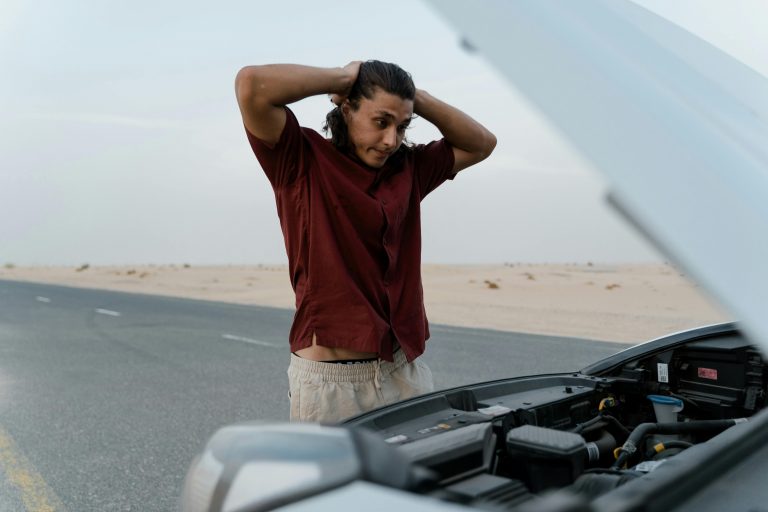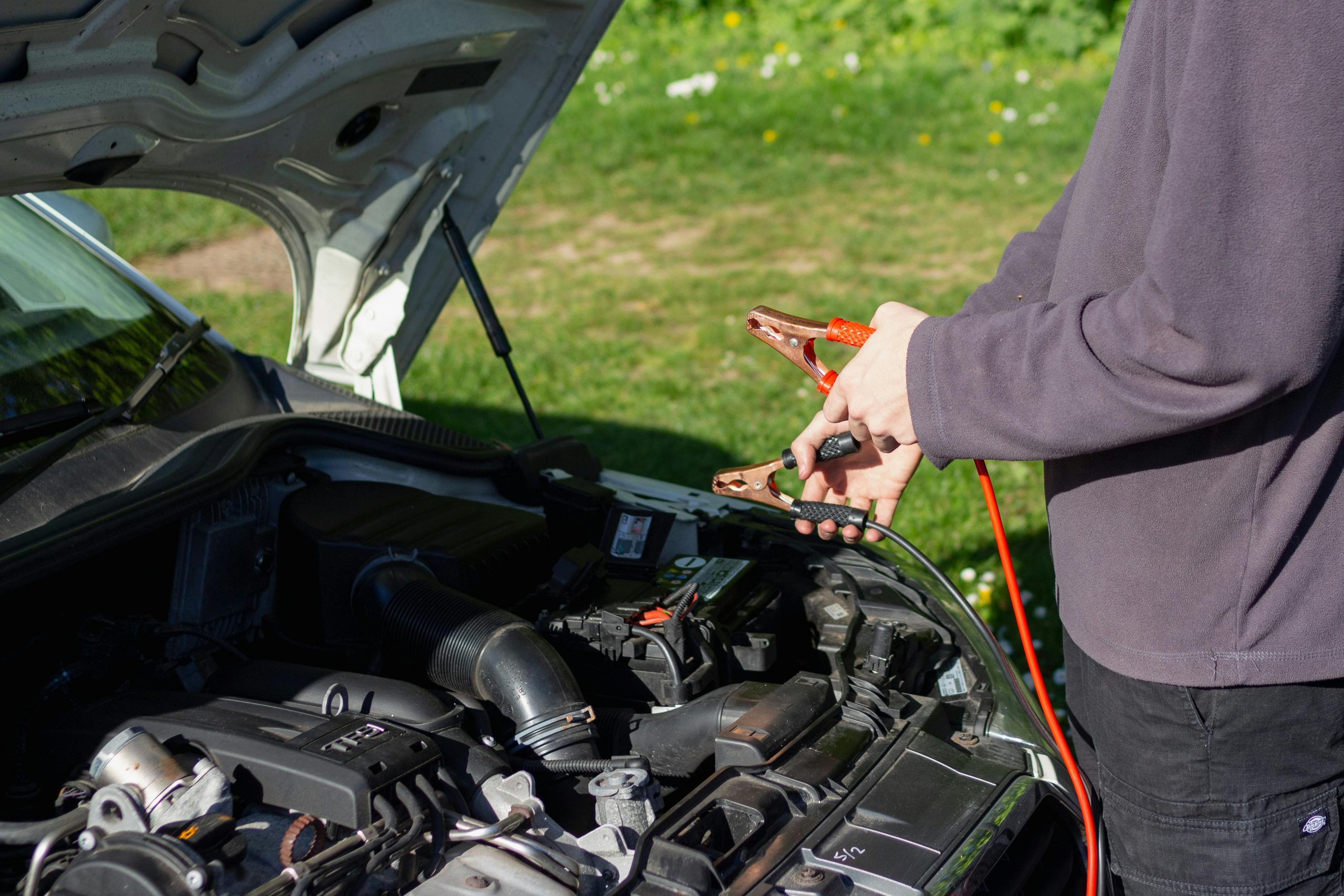

Few car problems are as frustrating as turning the key — or pressing the start button — and hearing nothing but a weak click. A dead battery can leave you late for work, stranded in a parking lot, or stuck during bad weather. If it happens once, it may just be an accident. But if your car battery keeps dying, there is almost always an underlying issue that needs attention.
Your car battery is part of a larger electrical system. It doesn’t just start the engine — it powers electronics, stabilizes voltage, and supports the alternator. When something goes wrong anywhere in that system, the battery is usually the first component to show symptoms.
This guide explains why car batteries repeatedly die, how to diagnose the cause, and what you can do to prevent the problem from happening again.
Understanding What the Car Battery Actually Does
Many drivers think the battery’s only job is starting the engine. In reality, it has several responsibilities:
- Provides power to the starter motor
- Supplies electricity when the engine is off
- Stabilizes voltage for electronics
- Supports the alternator during high demand
- Maintains memory systems (clock, radio, ECU settings)
Because modern cars rely heavily on electronics, batteries today work much harder than they did years ago. Navigation systems, sensors, keyless entry, alarms, and onboard computers constantly draw small amounts of power — even when the vehicle is parked.
This is why repeated battery failure rarely means “just a bad battery.” Something is draining it faster than it can recharge.
The Most Common Reason: Leaving Lights or Accessories On
The simplest explanation is often the correct one. Interior lights, headlights, trunk lights, or accessories can stay on without you noticing.
Even a small bulb can drain a battery overnight.
Common accidental drains
- Dome light switched on manually
- Trunk or glove box not fully closed
- Headlights not set to auto
- Phone charger plugged in
- Dash cam recording continuously
- Aftermarket stereo running
Many newer vehicles shut lights off automatically, but not all systems are protected. Older vehicles especially are vulnerable.
If your battery dies once after leaving something on, recharge it fully. But repeated deep discharge shortens battery life permanently.
Short Trips That Never Recharge the Battery
Your battery loses power every time you start the car. The alternator replaces that energy — but only while driving.
Short drives don’t provide enough recharge time.
Examples of damaging habits
- Driving under 10 minutes daily
- Frequent engine restarts
- Stop-and-go city driving only
- Cold weather commuting
Over time, the battery becomes chronically undercharged. This condition is called battery sulfation, and it slowly reduces capacity.
A weekly 20–30 minute drive at highway speed can significantly extend battery life.
Extreme Weather Is Hard on Batteries
Temperature plays a major role in battery health.
Cold Weather Effects
Cold thickens engine oil, requiring more power to start the engine. Meanwhile, battery chemical reactions slow down.
Result: battery struggles when you need it most.
Hot Weather Effects
Heat actually damages batteries more than cold. It causes internal fluid evaporation and plate corrosion.
Signs heat damaged your battery:
- Swollen battery case
- Rotten egg smell
- Rapid discharge
- Short lifespan (under 3 years)
Many drivers blame winter for dead batteries — but summer often caused the damage months earlier.
Your Alternator May Not Be Charging the Battery
If your battery keeps dying even after replacement, suspect the alternator.
The alternator recharges the battery while the engine runs. If it fails, the car runs only on stored battery power until empty.
Symptoms of alternator problems
- Battery warning light on dash
- Dimming headlights while driving
- Electronics malfunctioning
- Car stalls after jump start
- Burning rubber smell
A simple voltage test can confirm this:
- Engine off: ~12.6 volts
- Engine running: 13.7–14.7 volts
Below 13 volts while running usually means poor charging.
Parasitic Drain: Power Loss When the Car Is Off
Modern cars always draw a tiny amount of power to keep memory settings alive. But excessive drain — called parasitic draw — will kill a battery overnight.
This is one of the most common causes of repeated dead batteries.
Typical parasitic drain sources
- Faulty relays
- Stuck cooling fans
- Alarm systems
- Keyless entry modules
- Infotainment software glitches
- Aftermarket accessories
- Malfunctioning door sensors
A mechanic diagnoses this using an ammeter while the car is off. Normal draw is about 20–50 milliamps. Higher readings indicate a problem circuit.
Corroded or Loose Battery Connections
Sometimes the battery itself is fine — electricity just can’t flow properly.
Corrosion builds resistance, preventing charging and starting.
Warning signs
- White or blue powder on terminals
- Clicking when starting
- Intermittent electrical issues
- Vehicle starts after wiggling cables
Cleaning terminals can instantly solve recurring battery problems.
Cleaning steps
- Disconnect negative terminal first
- Mix baking soda and water
- Scrub terminals with brush
- Rinse lightly
- Dry completely
- Reconnect positive first
Always wear gloves and eye protection.
The Battery Is Simply Old
Car batteries do not last forever.
Average lifespan:
- Warm climates: 3–4 years
- Mild climates: 4–5 years
- Cold climates: 5–6 years
If your battery is near this age, replacement may solve everything.
Signs of an aging battery
- Slow engine crank
- Needs frequent jump starts
- Fails load test
- Voltage drops overnight
Replacing it early prevents unexpected breakdowns.
The Starter Motor Could Be the Culprit
The starter uses large amounts of electricity. A failing starter draws excessive power, draining the battery quickly.
Symptoms
- Grinding noise
- Repeated clicking
- Engine struggles to turn
- Battery tests good but still dies
In this case, replacing the battery won’t fix the problem.
How to Properly Test a Car Battery at Home
You don’t need professional equipment to perform basic checks.
Step-by-step voltage test
- Let car sit overnight
- Set multimeter to DC volts
- Connect red to positive, black to negative
Results:
- 12.6V = healthy
- 12.4V = 75% charged
- 12.2V = weak
- 12.0V = failing
Cranking test
Have someone start the car while measuring voltage:
- Above 10V = normal
- Below 9.6V = failing battery
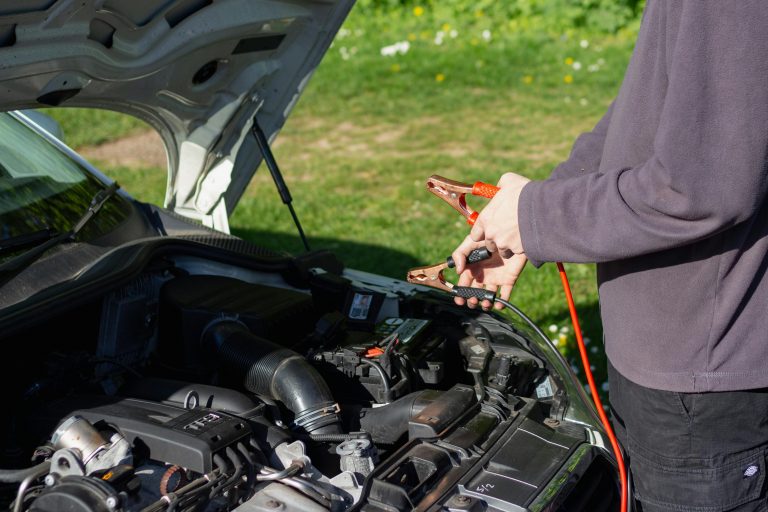
Jump Starting Safely
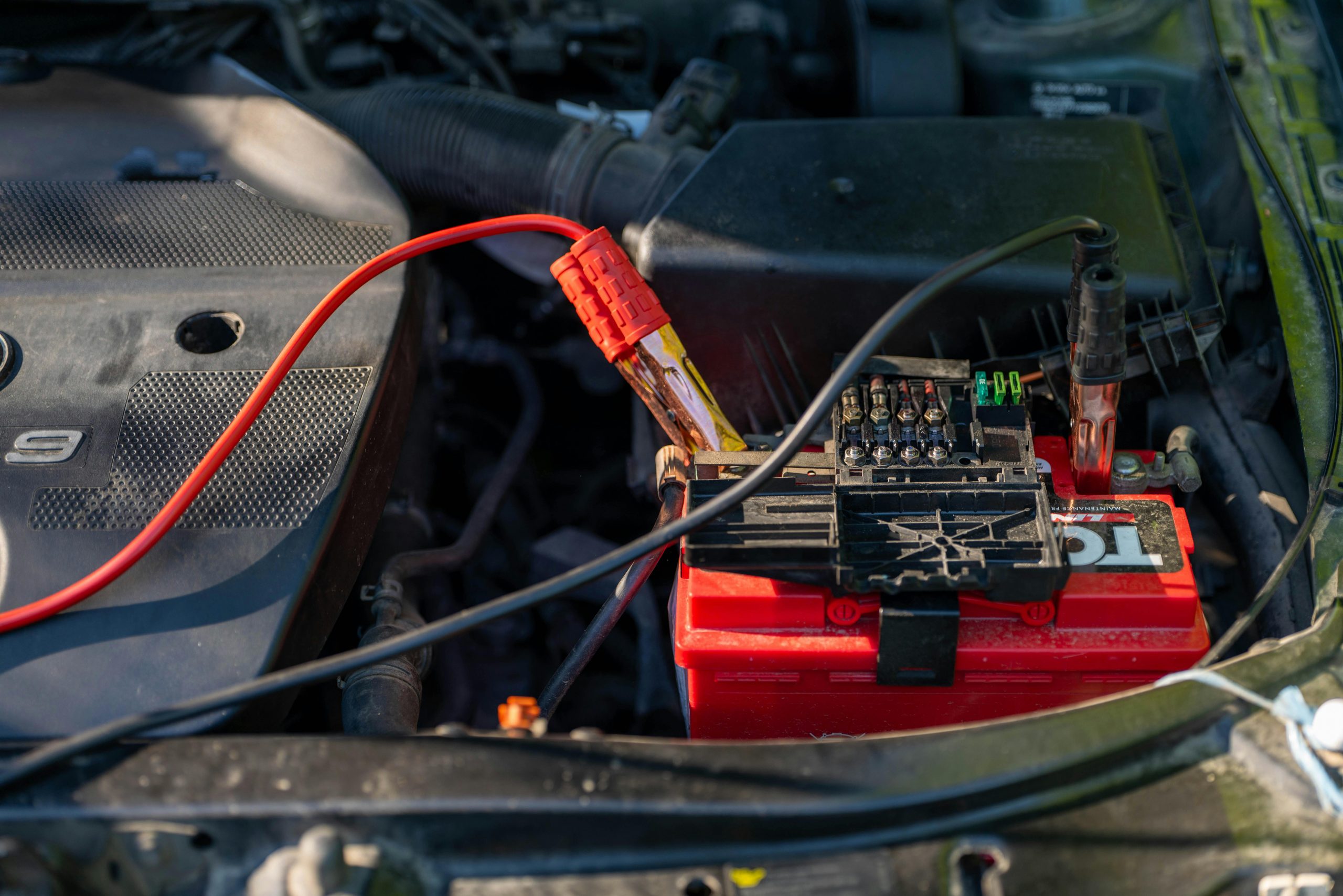
Jump starting is helpful — but doing it wrong can damage electronics.
Safe jump start procedure
- Red cable to dead battery positive
- Red cable to donor positive
- Black cable to donor negative
- Black cable to engine metal (not battery)
After starting, drive at least 20 minutes. Idling alone won’t recharge the battery fully.
Preventing Future Battery Failures
The best repair is prevention. A car battery usually doesn’t fail suddenly — it weakens over time because of heat, short trips, corrosion, and electrical drain. By building a few simple habits into your routine, you can greatly extend battery life and avoid unexpected no-start situations. Think of battery care the same way you think of tire pressure or oil changes: small checks now prevent big problems later.
Below are practical routines you can follow. They only take a few minutes but can add years to your battery’s usable life.
Weekly Habits
Small weekly checks keep the battery charged and prevent unnecessary wear.
Drive longer trips occasionally: Short drives don’t allow the alternator enough time to recharge the battery after starting the engine. Starting a vehicle uses a lot of power — often more than a short commute can replace.
- Try to drive at least 20–30 minutes once or twice per week
- Highway speeds charge better than stop-and-go traffic
- Especially important if you mostly run errands nearby
- Helps prevent sulfation buildup inside the battery
Turn off electronics before parking: Modern vehicles run many electrical systems even after the engine stops. Turning them off reduces parasitic drain.
- Shut off AC, heater fan, radio, and seat warmers
- Unplug chargers and dash cameras
- Turn headlights to OFF instead of AUTO if parking for long periods
- Prevents small overnight drains that weaken batteries over time
Check lights before leaving the vehicle: Interior lights are one of the most common causes of a dead battery.
- Dome lights
- Trunk lights
- Glove box lights
- Vanity mirror lights
Many of these are easy to miss during the daytime but can drain a battery overnight.
Monthly Habits
Once a month, do a quick visual inspection. You don’t need tools — just look, listen, and notice changes.
Inspect terminals: Battery terminals should be clean and tight. Loose or dirty connections reduce charging efficiency.
- Look for white or blue powder (corrosion)
- Wiggle cables gently — they should not move
- Tighten if loose (engine off)
- Clean lightly with a dry cloth if dusty
Look for swelling or leaks: A healthy battery case should look flat and square.
Warning signs include:
- Bulging sides
- Cracked casing
- Fluid residue
- Rotten egg smell (sulfur)
These signs mean the battery is overheating or failing internally and should be replaced soon.
Monitor slow starts: Pay attention to how your engine sounds when starting.
Normal start: quick and strong
Weak battery: slow cranking or hesitation
If starting becomes slower over several weeks, the battery is losing capacity even if it hasn’t died yet.
Seasonal Habits
Extreme temperatures are the biggest battery killers. Preparing before seasons change prevents surprise failures.
Test battery before winter: Cold weather thickens engine oil and reduces battery output.
- Get a free load test at most auto parts stores
- Replace weak batteries before freezing temperatures
- Batteries over 3–4 years old are high risk in winter
- Prevents being stranded on cold mornings
Park in shade during summer: Heat damages batteries more than cold. High temperatures evaporate internal fluid and shorten lifespan.
- Park in a garage when possible
- Use covered parking areas
- Avoid long sun exposure on hot days
- Heat is the #1 cause of premature battery aging
Clean corrosion buildup: Season changes cause condensation and corrosion.
- Remove buildup using a battery cleaning brush or cloth
- Apply protective terminal grease if available
- Keeps electrical resistance low
- Improves charging efficiency
When You Should See a Mechanic
You should get professional help if:
- Battery dies within 24 hours
- Multiple batteries fail quickly
- Car stalls while driving
- Electrical systems behave oddly
- Burning smell appears
These symptoms often point to alternator or wiring issues — not the battery itself.
Why Replacing the Battery Alone Often Fails
Many drivers replace batteries repeatedly without solving the root cause.
Common pattern:
- Battery dies
- Replace battery
- Works briefly
- Dies again
This happens because the real problem is:
- Charging failure
- Electrical drain
- Wiring fault
Always diagnose before replacing multiple batteries.
Final Thoughts: Solve the Cause, Not Just the Symptom
When a car battery keeps dying, it is rarely random. Your vehicle is telling you something in the electrical system isn’t working correctly.
The battery is only the storage unit — not always the source of the problem.
By checking driving habits, testing voltage, inspecting connections, and identifying drains, you can often pinpoint the issue quickly. Addressing the root cause saves money, prevents breakdowns, and protects sensitive vehicle electronics.
A healthy battery should last years, not weeks. With proper maintenance and early diagnosis, you can turn a frustrating recurring issue into a simple, permanent fix — and regain confidence every time you start your car.
About the Author